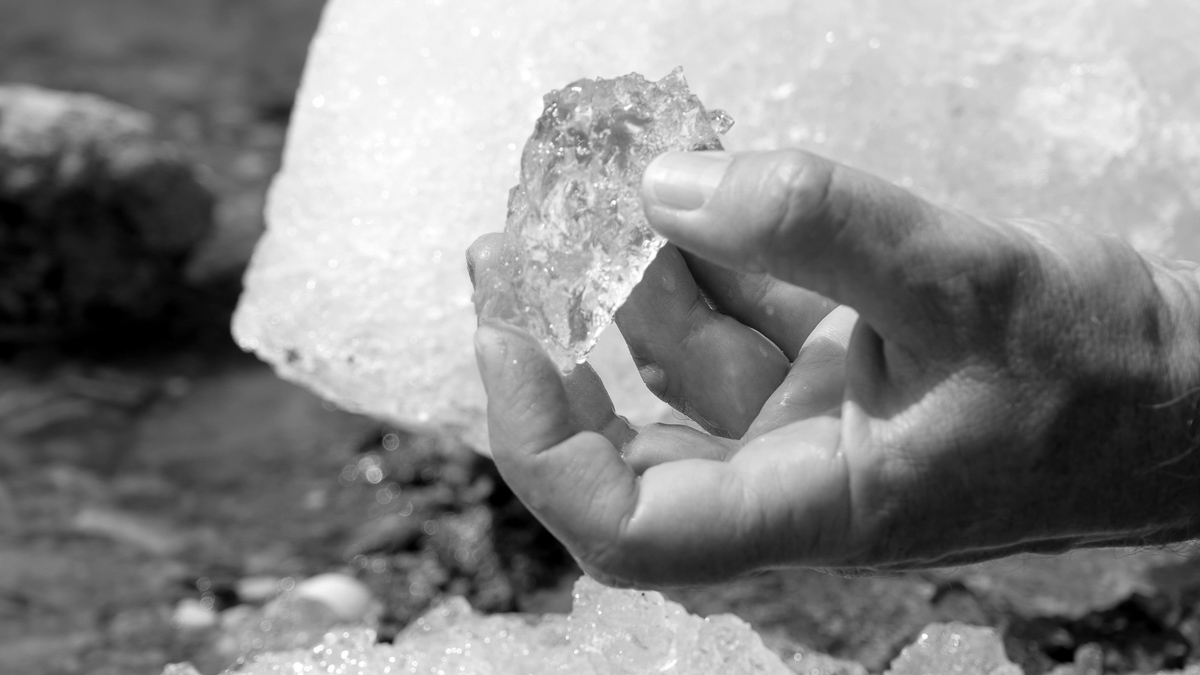
Allmoslechner – When White Blankets
Most photobooks have one author. A few have two, although most of those are by two people who act as one. (I’m thinking of Blommers & Schumm and Bernd & Hiller Becher, and the ampersand between them.) When White Blankets – a book about family, memory, and vanishing glaciers – has three authors: Nina Maria Allmoslechner, her father Andreas, and her grandfather Widolf. Nina self-published the book (designed by Hanna Wäger), but it’s clear that Nina doesn’t think of it as just hers. It’s there on the spine – “Allmoslechner” not “Nina” – and on the inside cover in the three names neatly stacked on top of each other.
When White Blankets is an invitation to start elsewhere: to look at what is closest to us, and in doing so realise that what is personal and universal are joined at the hip.
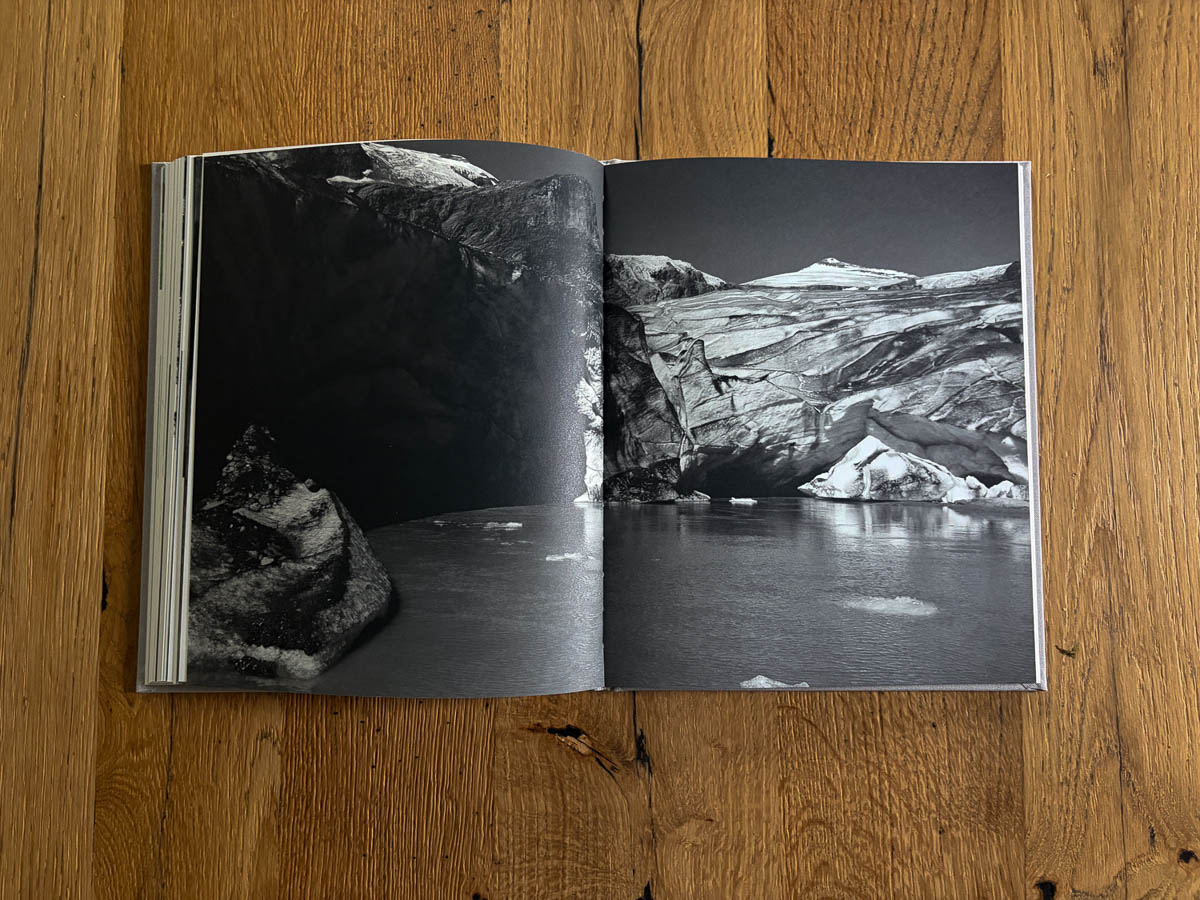
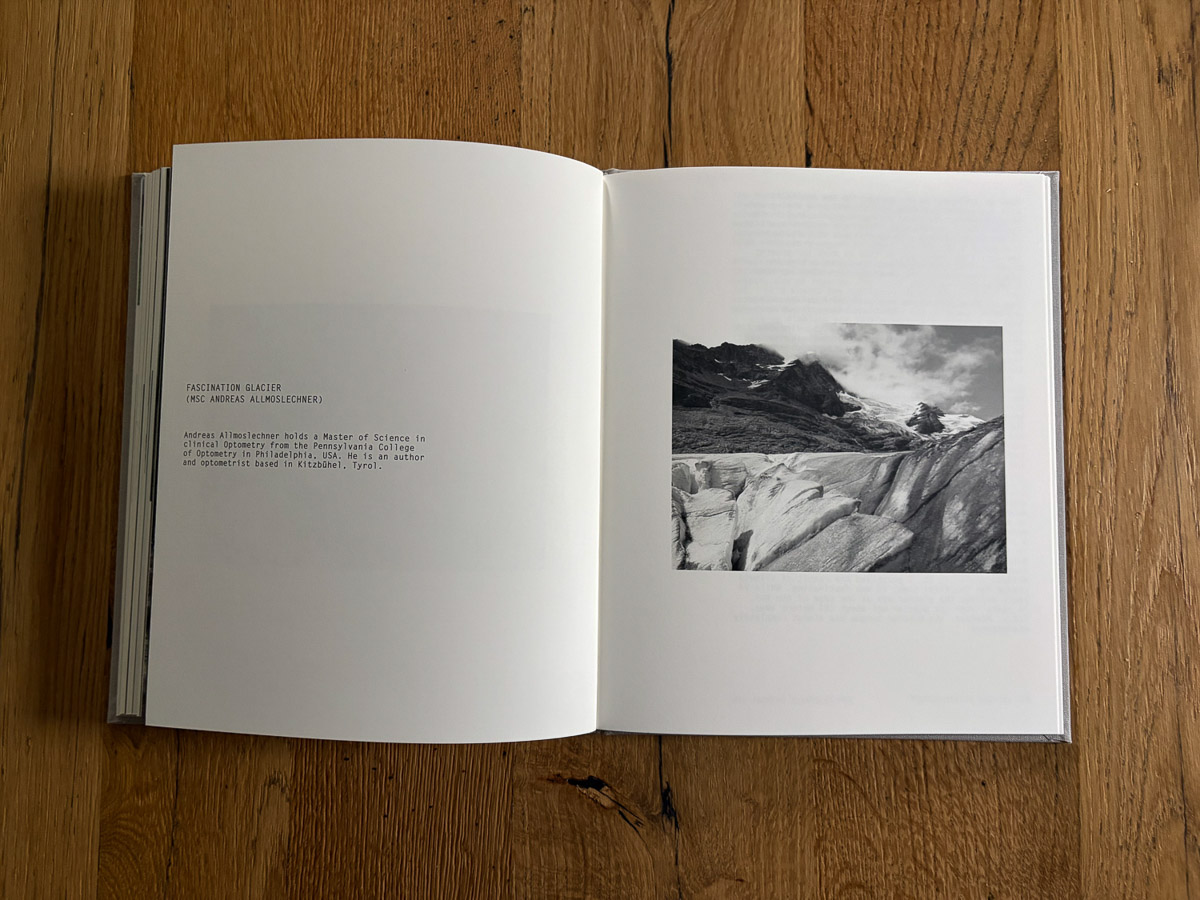
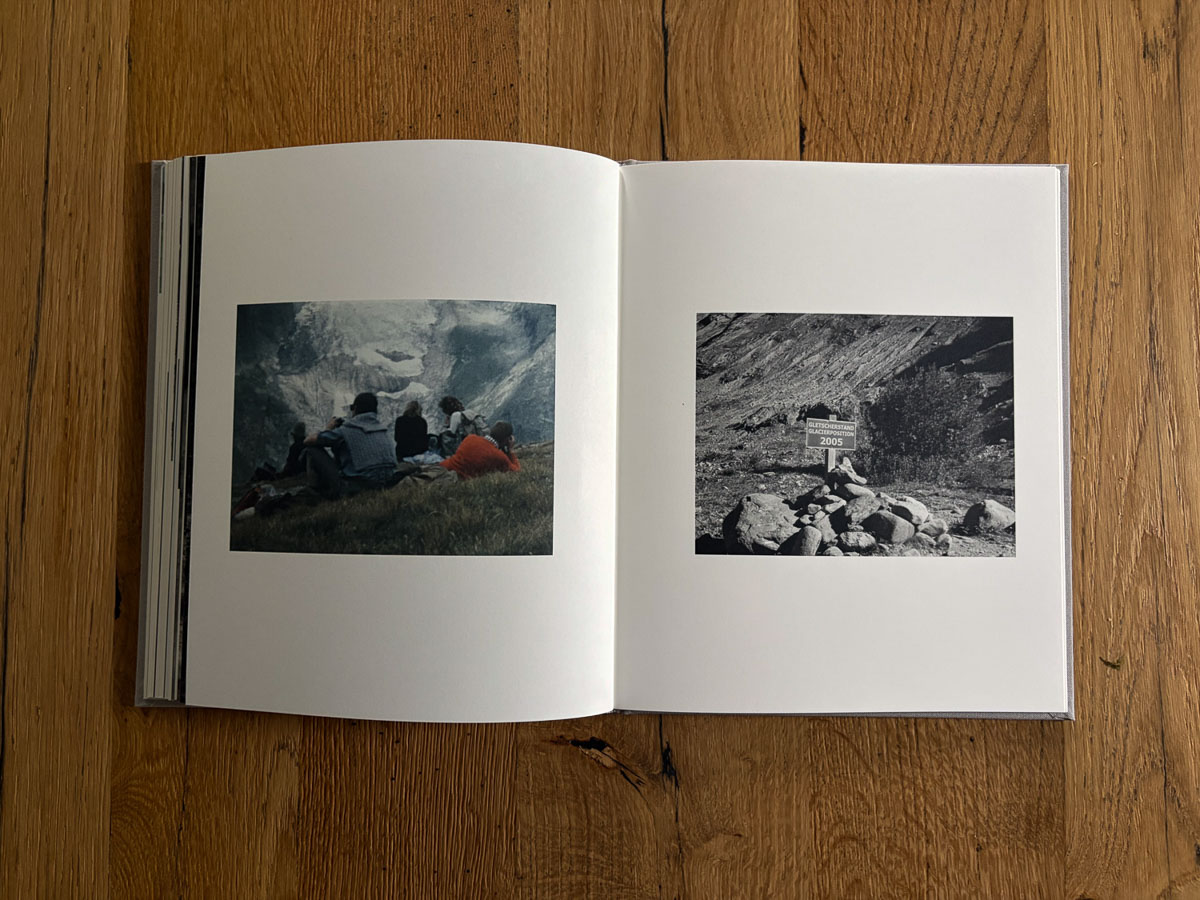
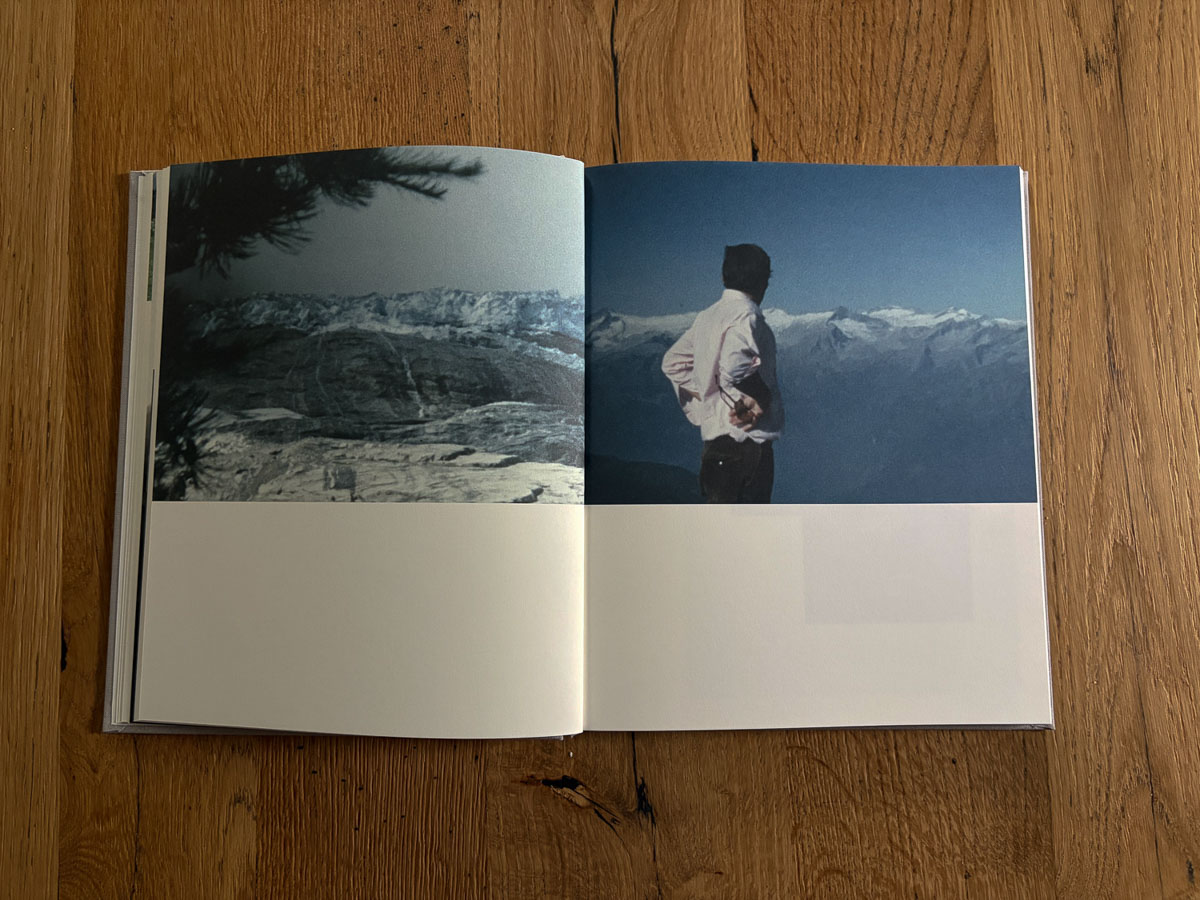
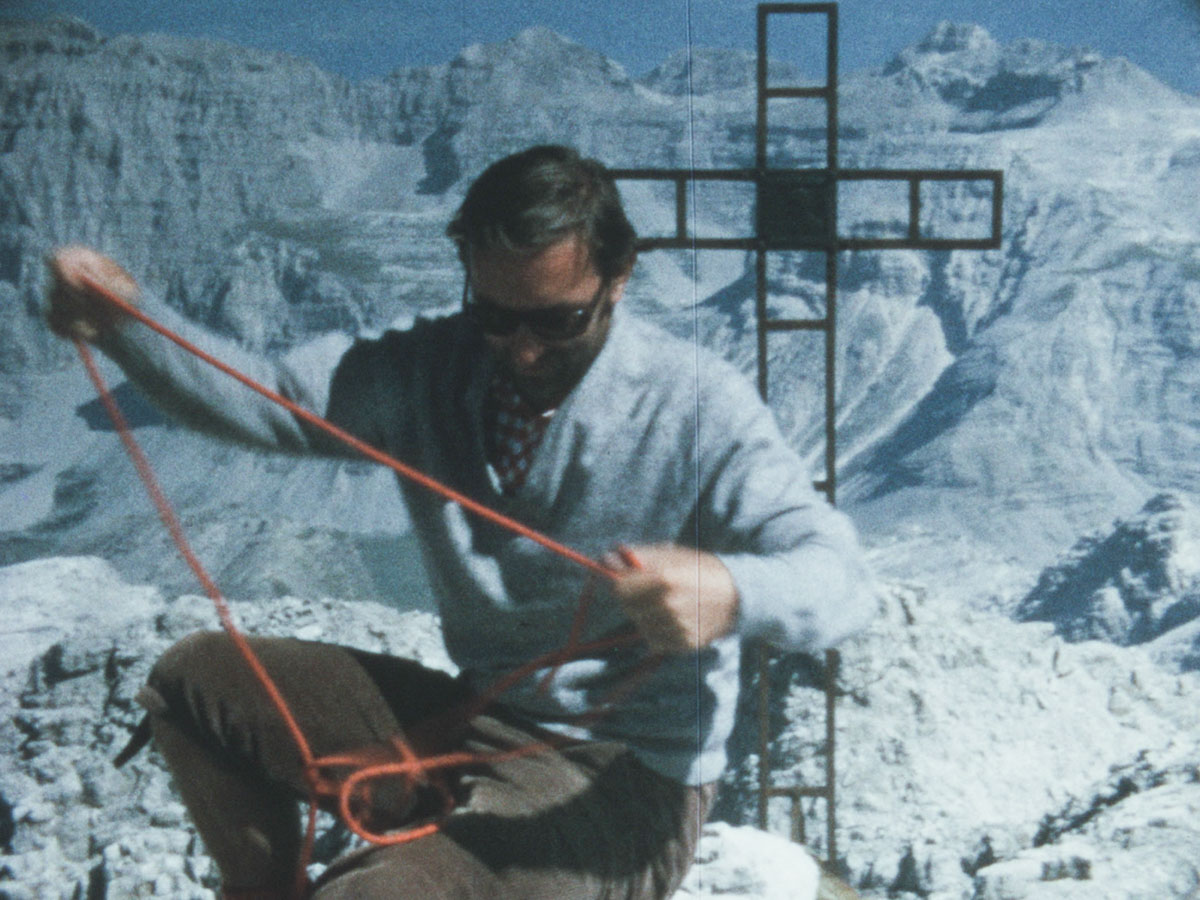
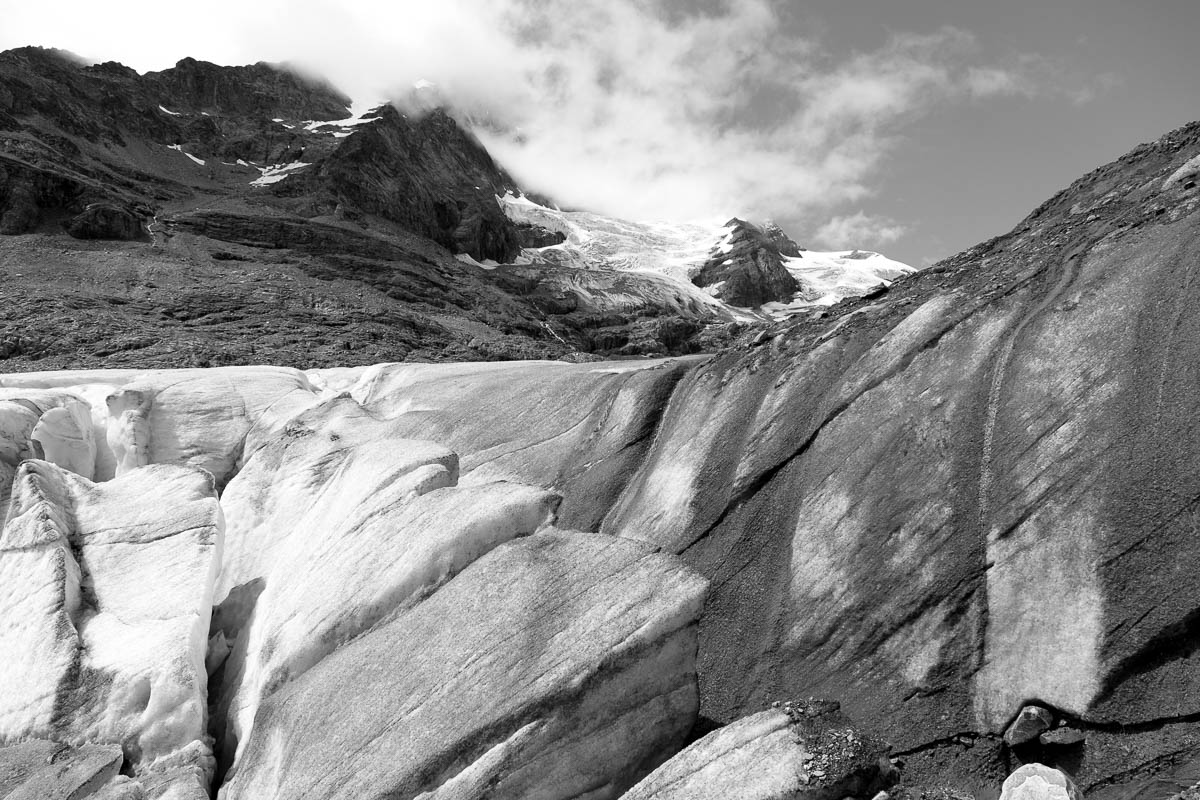
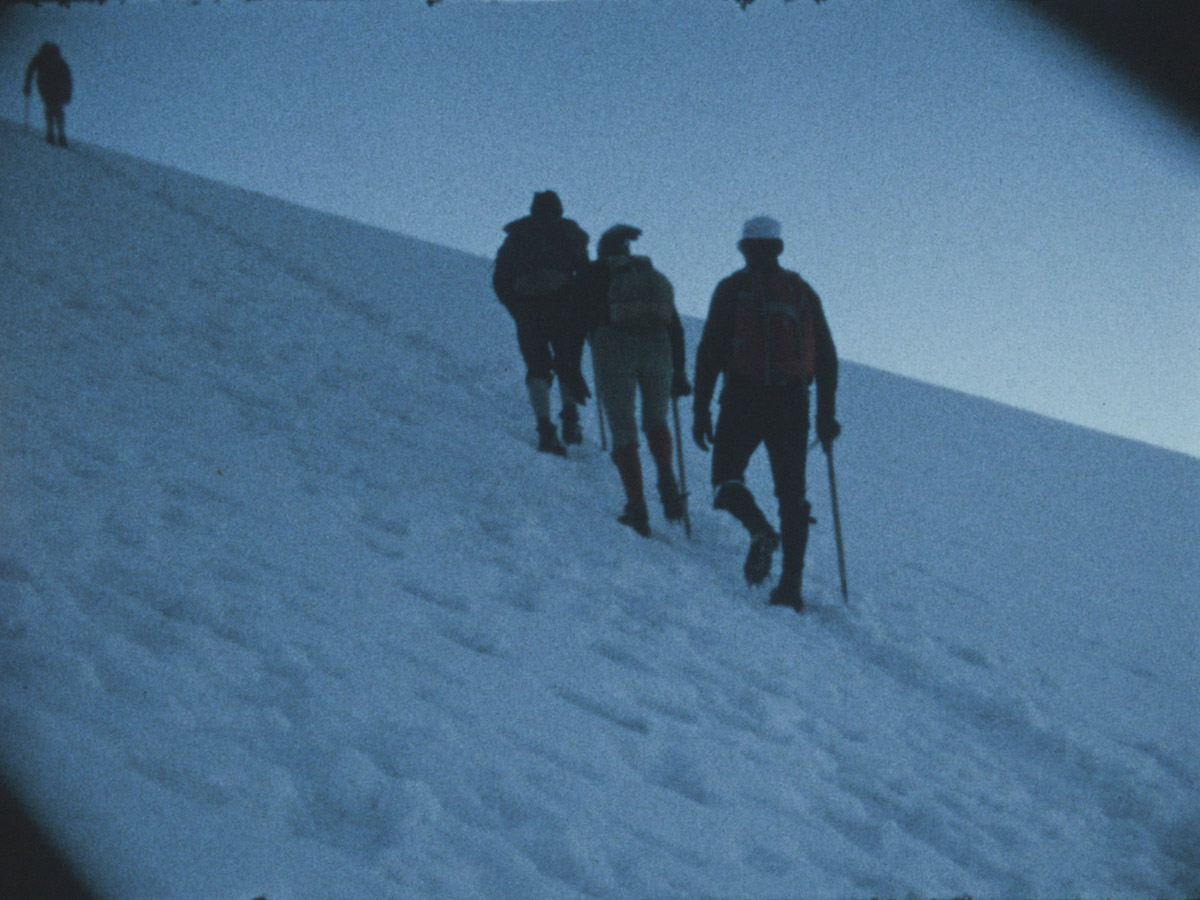
Unsurprisingly, there are three main parts to When White Blankets: Nina’s dark, foreboding yet beautiful photographs of glaciers around their home in Tirol. Andreas’ text about his childhood and weekends spent mountaineering – of setting off at dawn with a chorus of crampons. And Widolf’s film stills from a life in the mountains, with all the nostalgic haze that comes with them.
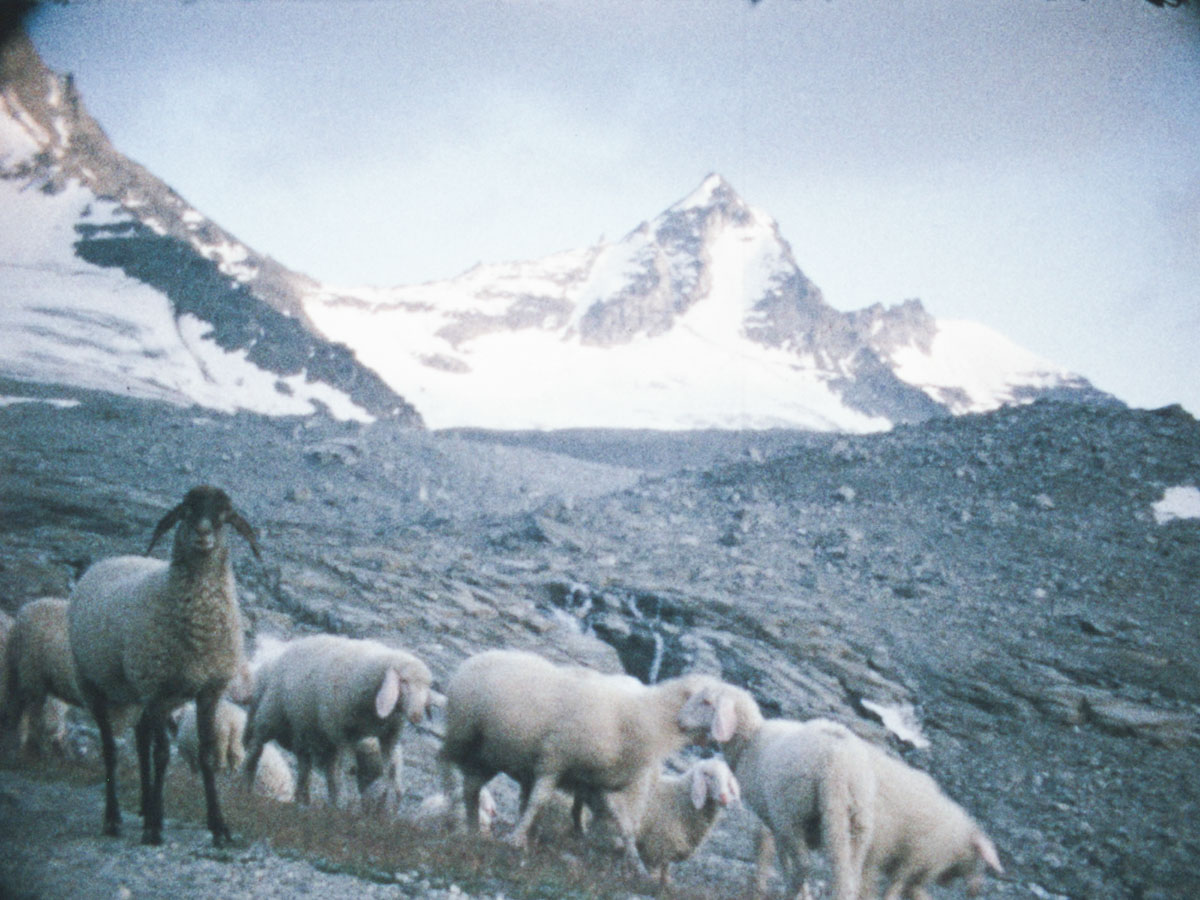
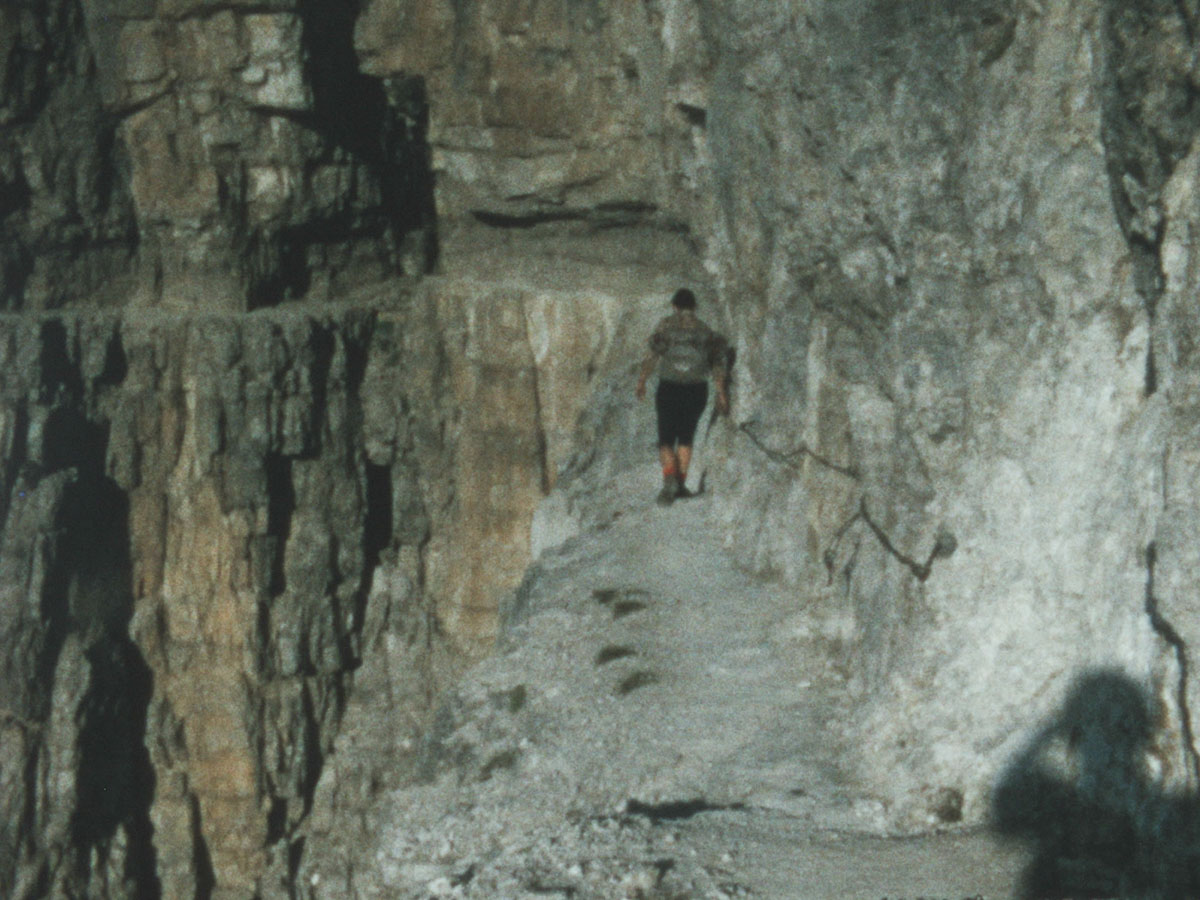
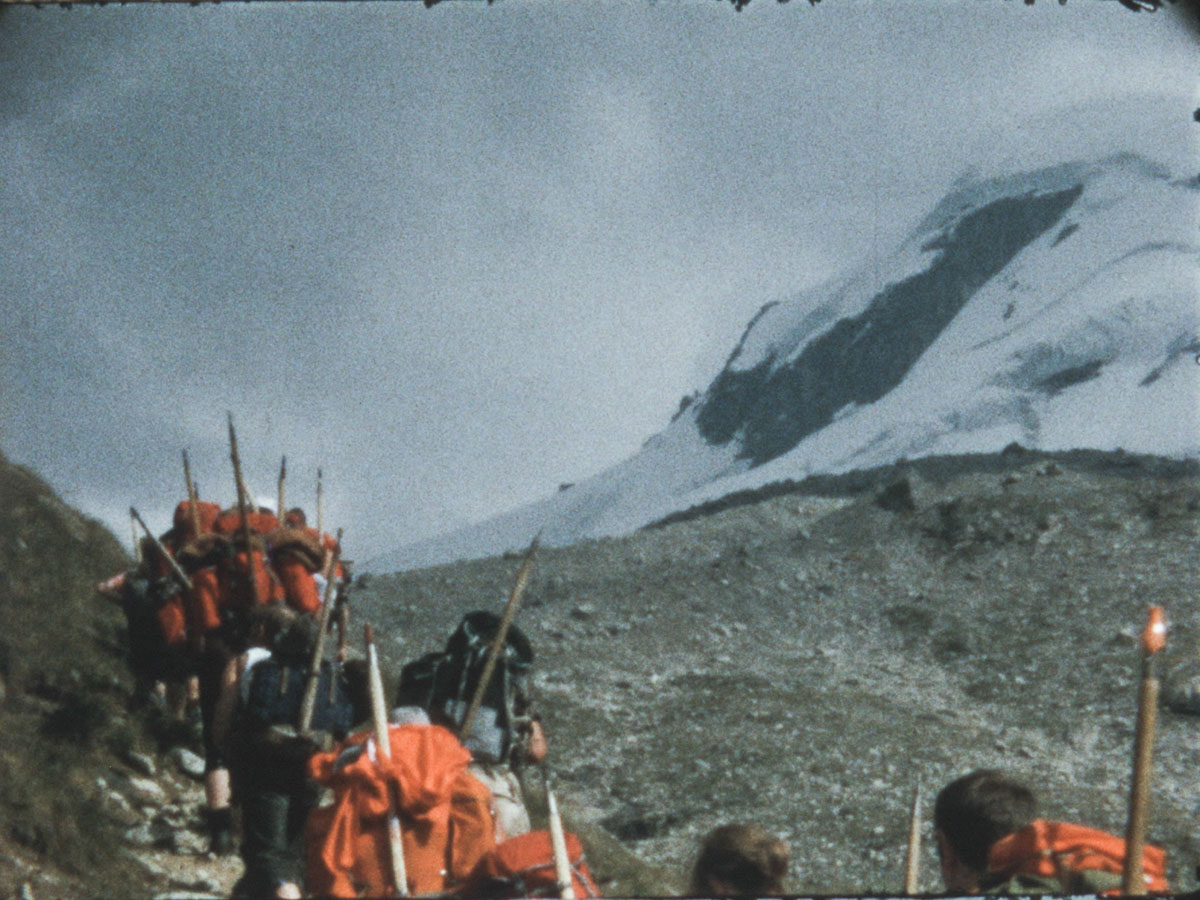
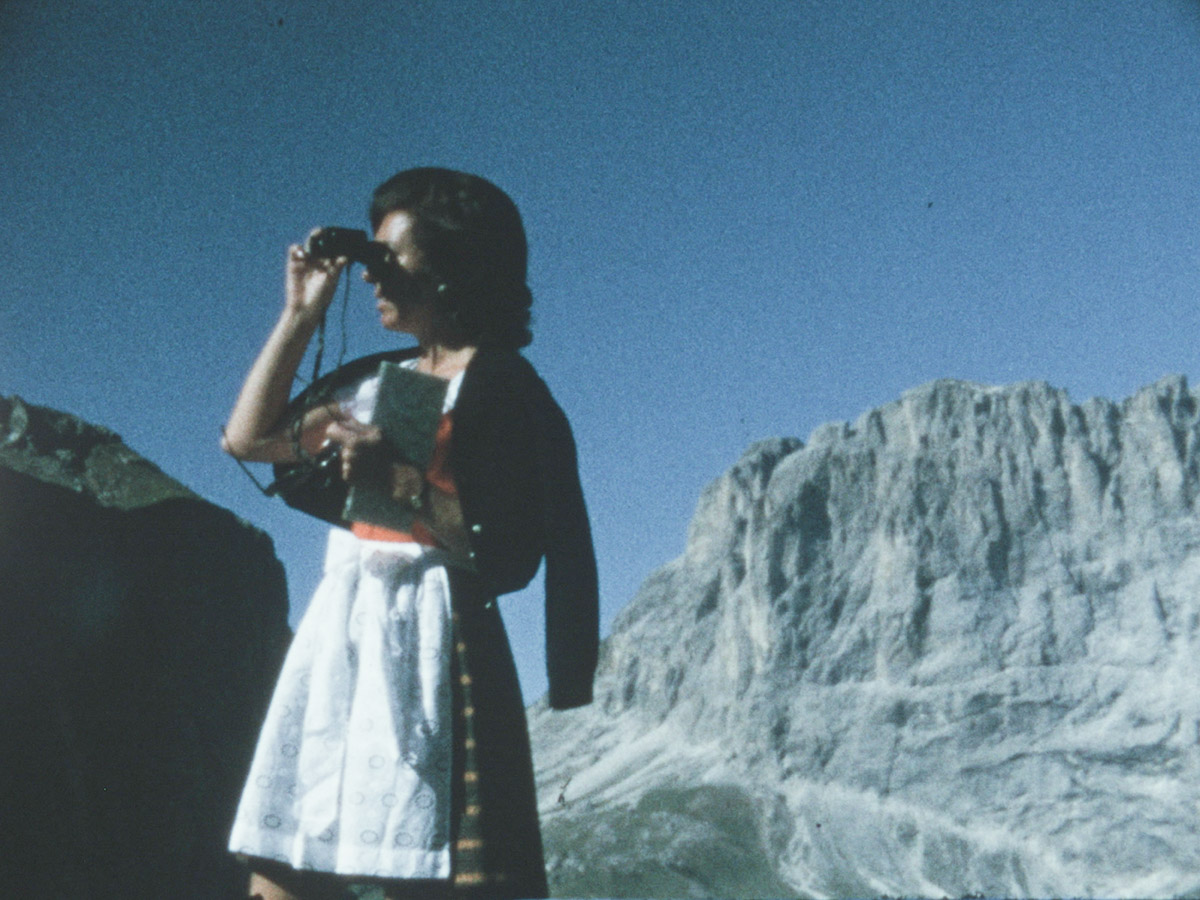
I expected the book to be chronological. To start with Widolf’s films, then follow with Andreas’ text, and finish with Nina’s photographs. Time and change (and vanishing glaciers) happen like that – one thing following the last along an unrelenting line. Instead,everything is woven together: Nina’s photographs next to and overleaf from Widolf’s films, overleaf from Andreas’ text. Less a line, and more a map without a neat geography.
Why didn’t Nina take the (easy) chronological road? I have an idea that it’s because while time may be a line, memory is not. I think of what Marjane Satrapi, the author of Persepolis, says: “You never remember anything in a chronological way. You always have pieces of memories.” Satrapi could have been writing about When White Blankets, even more so because a photograph (and by virtue a film still) is always a piece – a tiny rectangle placed over the world. When White Blankets simply yet deftly reflects this. I’d add to Satrapi’s train of thought, though, and say that once you have all the pieces, what else is there to do but try and put them together? When White Blankets feels like Nina’s attempt at doing just that, of trying to make sense of the past and asking what it means for the present. That Nina is asking these questions amid glaciers feels beautifully serendipitous, because what are glaciers if not memory themselves?
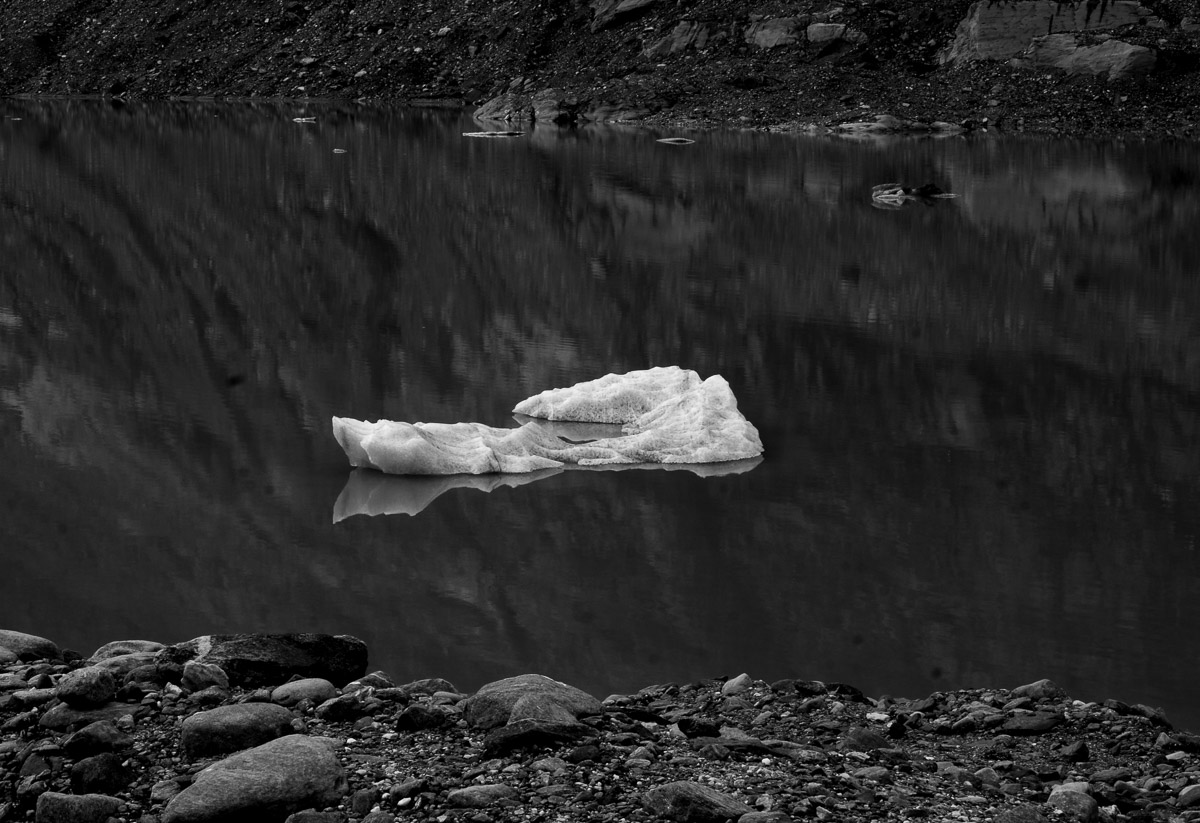
For a while, I wondered how the book’s woven structure would dovetail with its bleak and much bigger subject of vanishing glaciers. Instinctively it shouldn’t, and in a way it doesn’t. But I don’t think it has to because When White Blankets isn’t the story of glaciers along a neat, unrelenting line (the story we already know), and neither is it a call to arms. Instead, I think When White Blankets is an invitation to start elsewhere: to look at what is closest to us, and in doing so realise that what is personal and universal are joined at the hip. Once we see it, it’s painfully clear how much more there is at stake than ice and rock. Nina beautifully walks through the motions herself. Tracing her family’s past is understanding vanishing glaciers, and understanding vanishing glaciers is coming to terms with family, memory, and the memories that may never be. It’s just like the historian Simon Schama said: “landscape is the work of the mind. Its scenery is built up as much from strata of memory as from layers of rock”. I keep coming back to this idea, convinced this painful realisation of what is at stake is the book’s fulcrum, its summit.
That Nina is asking these questions amid glaciers feels beautifully serendipitous, because what are glaciers if not memory themselves?
Before I read When White Blankets, I thought I’d write about mountains. I even mentioned it in my email to Nina: “It’s not often I get to write about photobooks and mountains at the same time.” In excitement, I paged back through Nan Shepherd’s The Living Mountain, looking for an idea that would inspire my own meditation. But now I’m sure that writing about the mountains would have been the kind of low-hanging fruit that Moyra Davey talks about – the kind that “rarely adds up to much”. Not because mountains make for a poor subject (the opposite is true), but simply because they are not the protagonist of the book – Allmoslechner is.
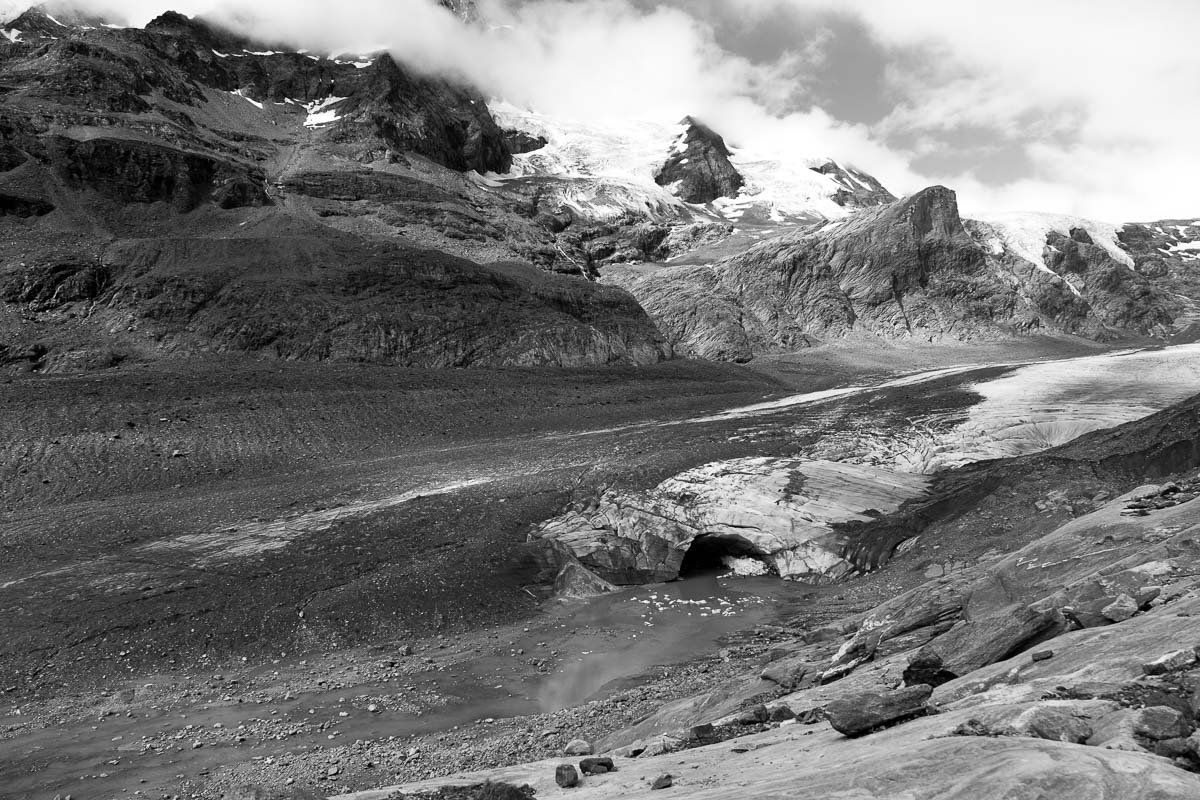
Earlier this summer, I went to see Nina talk at the Alpine Club in London. It was during the first heatwave, and I sat on one of those green banquet chairs that you find in church halls. On the wall were a handful of paintings of mountains by Ruskin and a few others I can’t remember the names of. What I do remember, though, is how glad I was that Nina was talking about the book outside of a gallery, museum, or bookshop. And how right it felt that a book about mountains was here, next to other mountains and those who loved them.
Nina Maria Allmoschlechner
Self Published