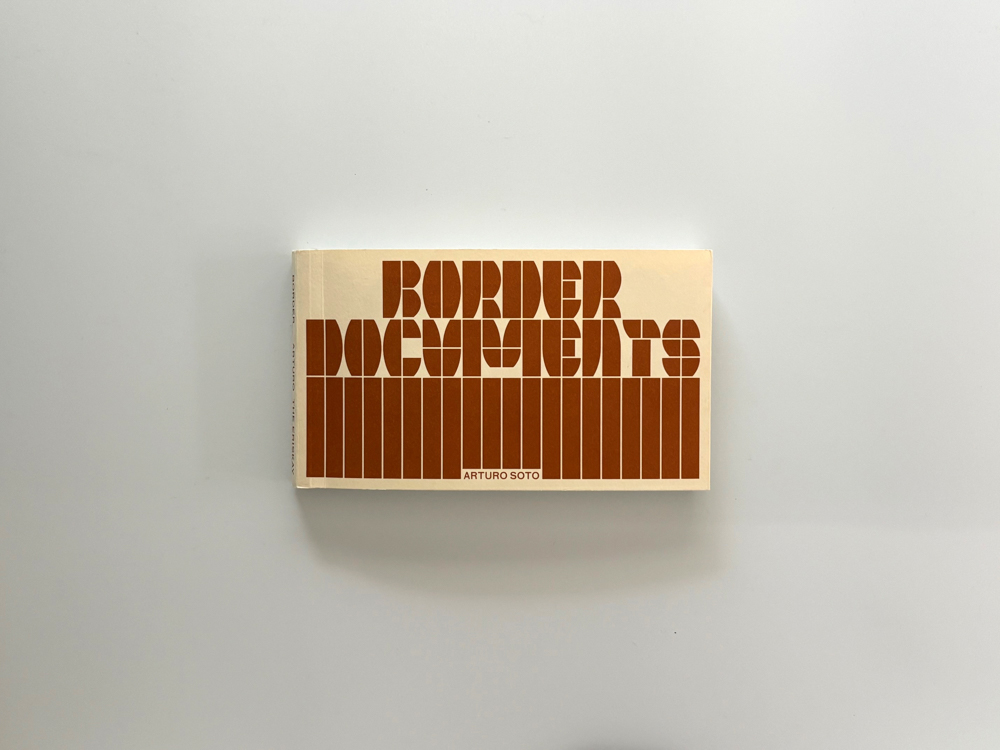
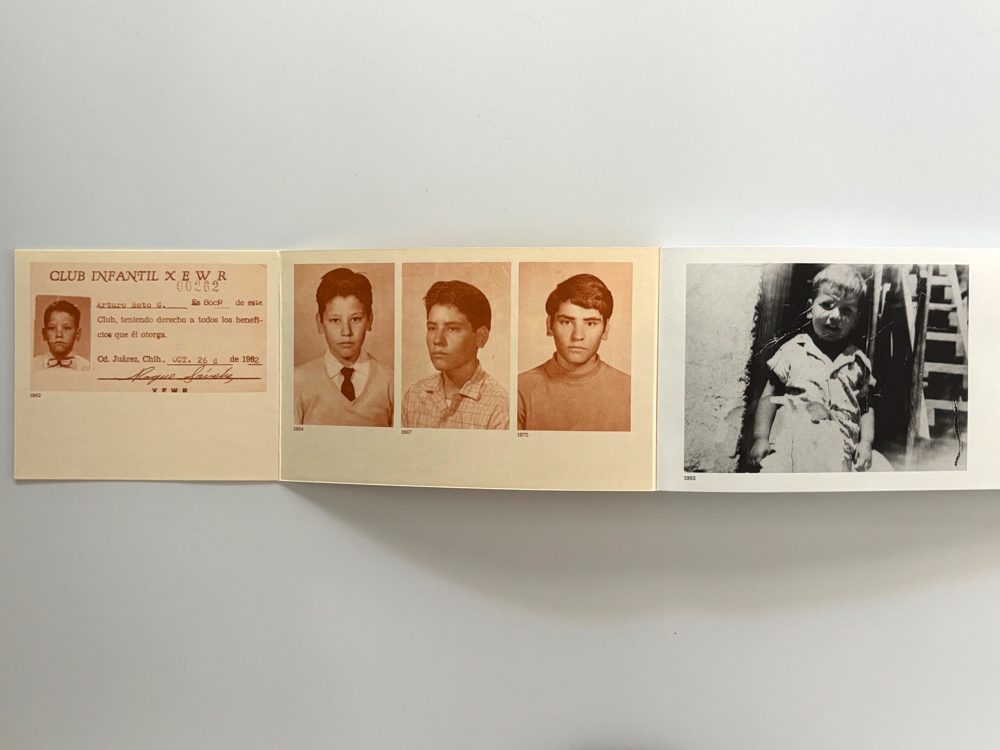
Border Documents – Arturo Soto
Hi Arturo,
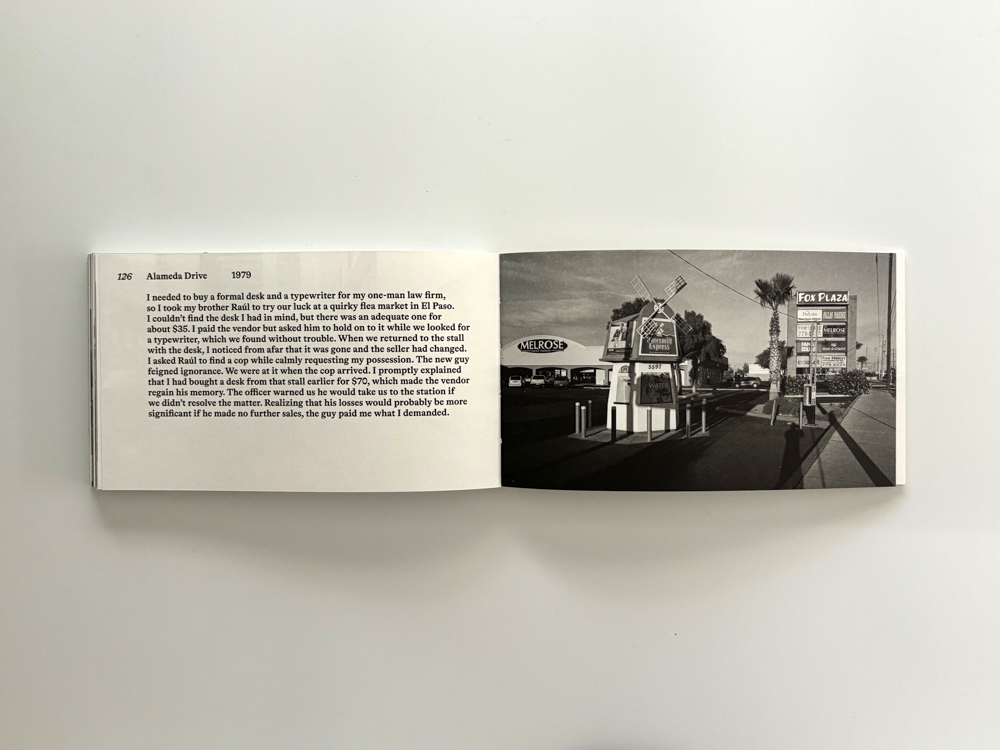
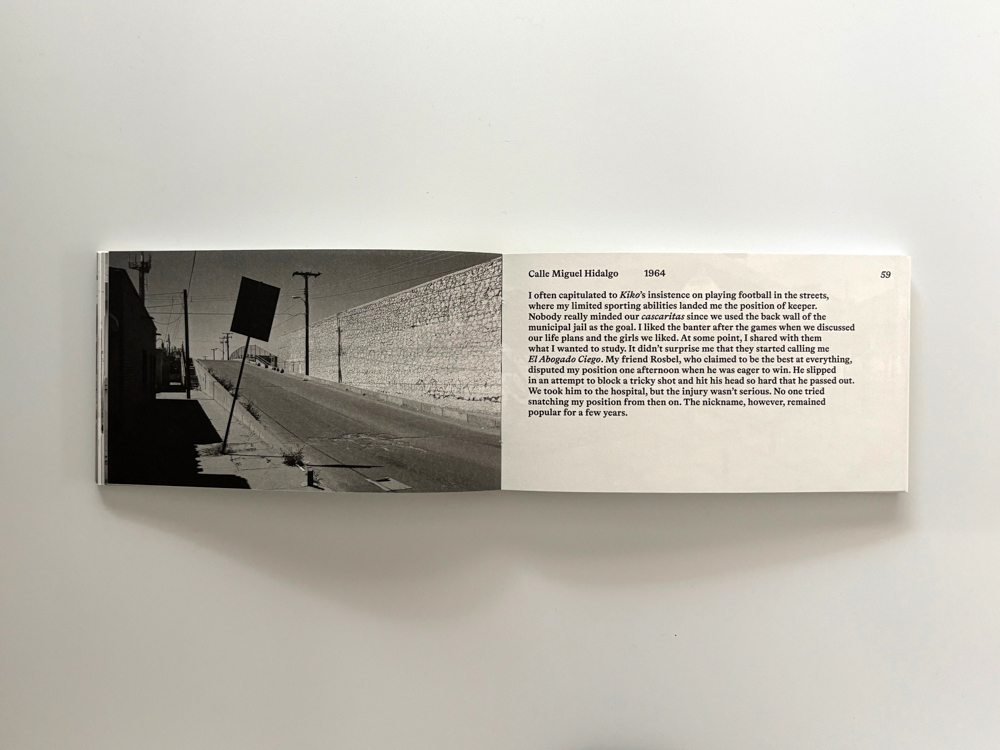
I thought I’d write to you, instead of only about you. It feels less distant that way, which I think too many reviews fall prey to. Anyway, thanks for the book. It’s smaller than I expected, in a good way, and its size and format remind me of a flipbook. It works like one too, and even makes the same soft fluttering noise when you page through it. It makes reading it a casual event: a page or two at breakfast, a story while I wait for the microwave to finish. (In my head this is not so different to how your father shared his stories with you.)
Reading it is a casual event: a page or two at breakfast, a story while I wait for the microwave to finish. (In my head this is not so different to how your father shared his stories with you.)
I’m looking at a few of my other photobooks to compare: Robert Adams’ American Silence and Anders Edstrom’s Shiotani. They’re huge, and despite their beauty, awkward to spend time with. Border Documents is easy – you could take it on the bus in your back pocket if you wanted to (it fits, I checked). It also feels like an apt choice for what’s inside: reading about the mouse that fell on your dad’s sister in 1959 would feel odd if it were between grander covers.
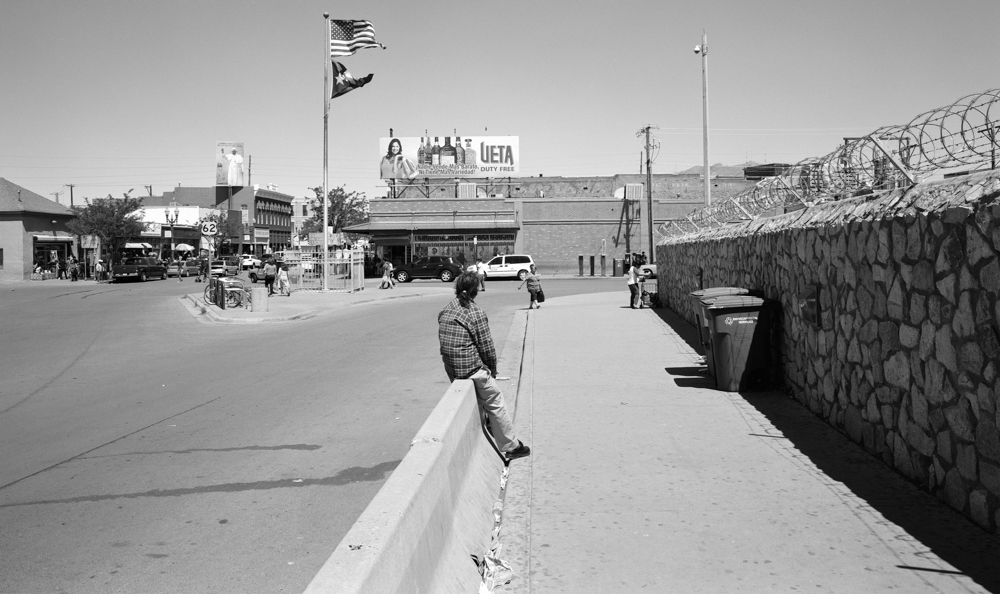
It’s also refreshing for a book to be so candid about its subject, instead of leaving it to the reader to unpick its meaning thread by thread. One isn’t better than the other, but I wish there were more books like Border Documents. It does help that your publisher, The Eriskay Connection, has done a great job of explaining the crux of your book. That it’s different to the ‘reductive media coverage of the border that focuses solely on the violence caused by drug trafficking, illegal migration, and corruption.’ And that it’s ‘a vivid account of a territory that plays a vital role in global trade.’ Kudos for the clear writing.
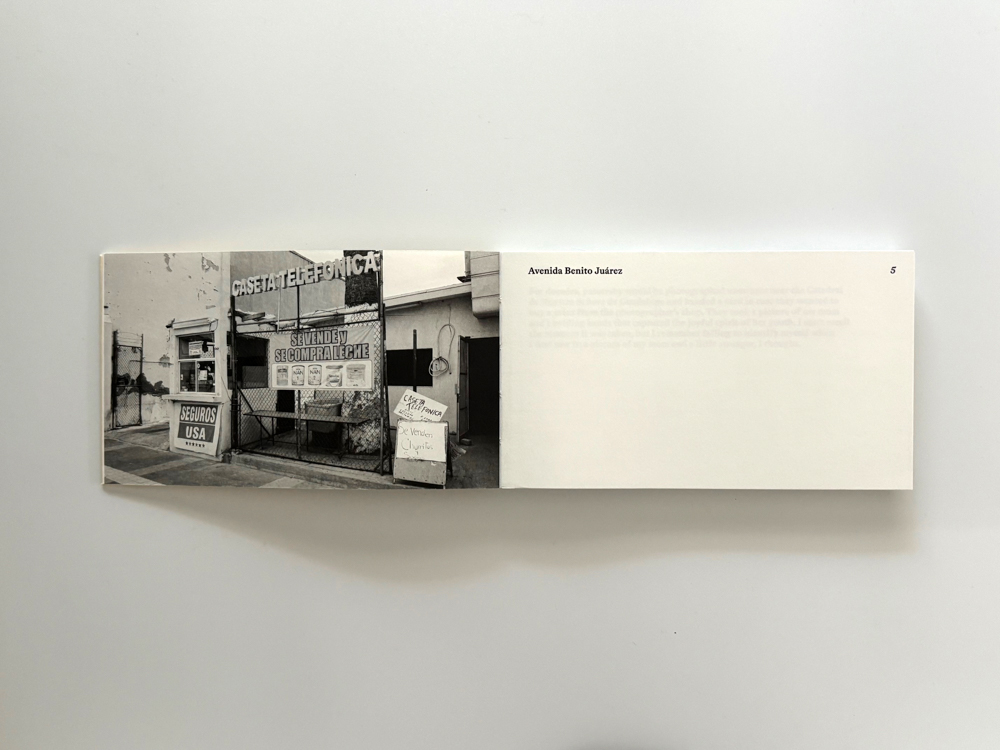
I’ve thought a lot about that vividness, and how it comes from the sum of your father’s stories and your pictures. From the way your pictures give his words weight in a strangely Sebaldian manner, and how those same words animate your pictures. You have left some of your father’s stories without images, and some of your images without stories. I was surprised at how much I missed whatever half was missing, although I missed the words more than the pictures.
It’s refreshing for a book to be so candid about its subject, instead of leaving it to the reader to unpick its meaning thread by thread.
I’m thinking of page 74 as an example: a wide pavement and a wide road, a few cars, and a sign for the Rio Grande department store. The only text opposite is the page number and the road name, ‘East San Antonio Avenue’. I know it has a place in your father’s story, but without words, I don’t know what it is. The picture feels slippery, and it reminds me that for how finished images appear, they often wait for words to complete them. It’s Barthes again, although I’ve always thought that his idea of latent meanings feels too passive, and underplays how images can be filled with meaning (a dangerous thing), and then hammered into shape.
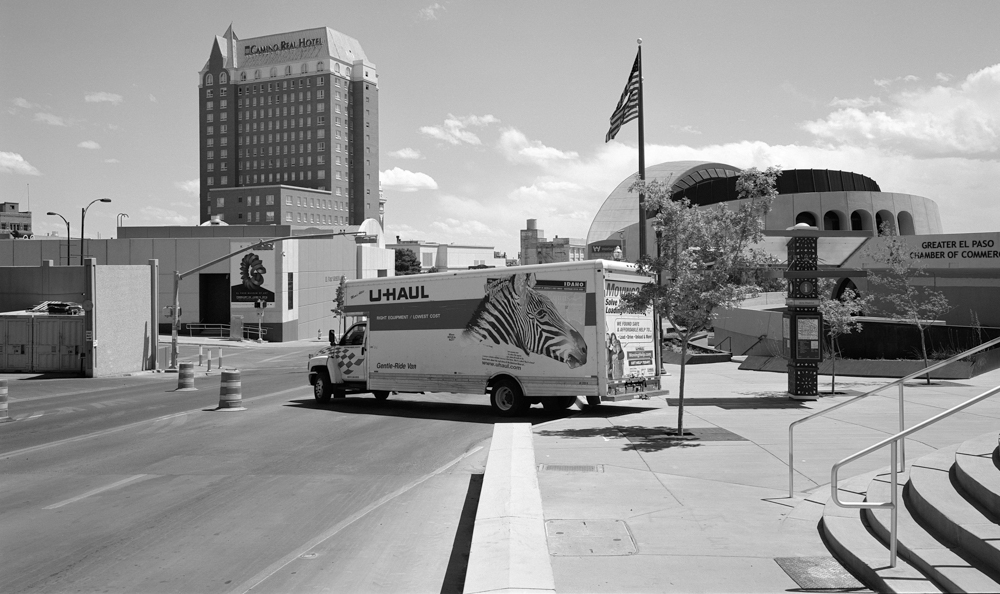
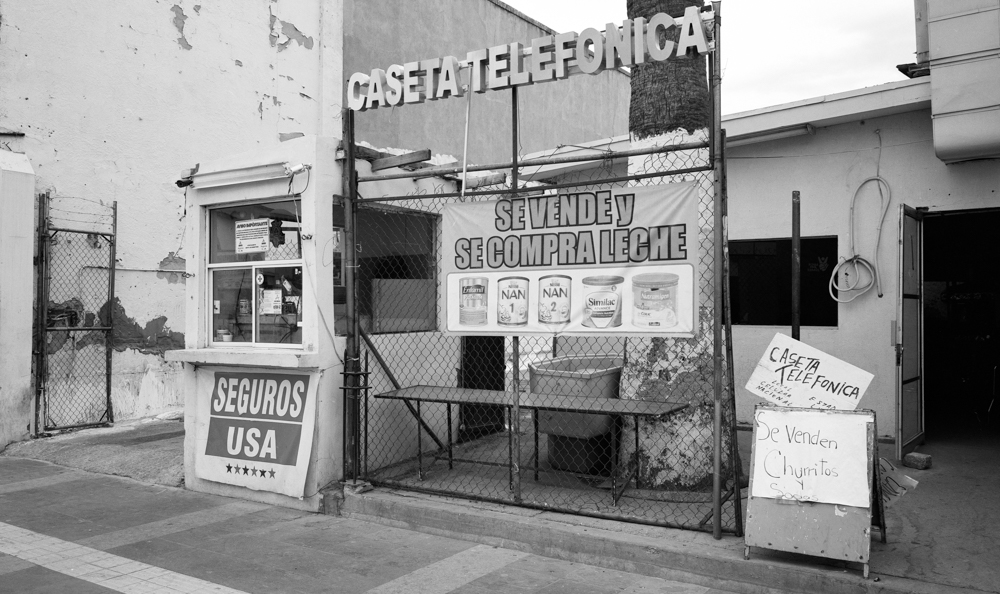
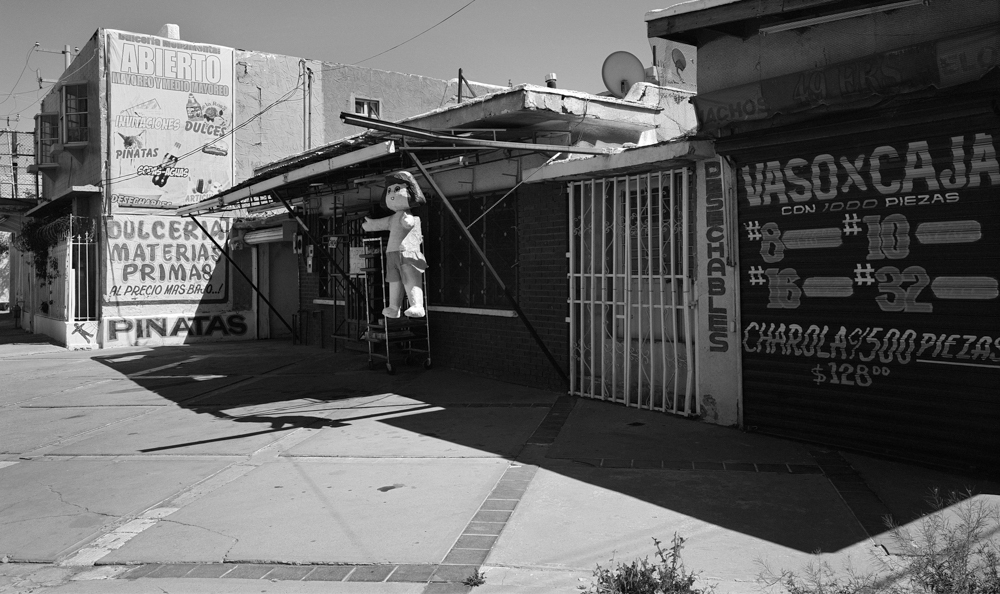
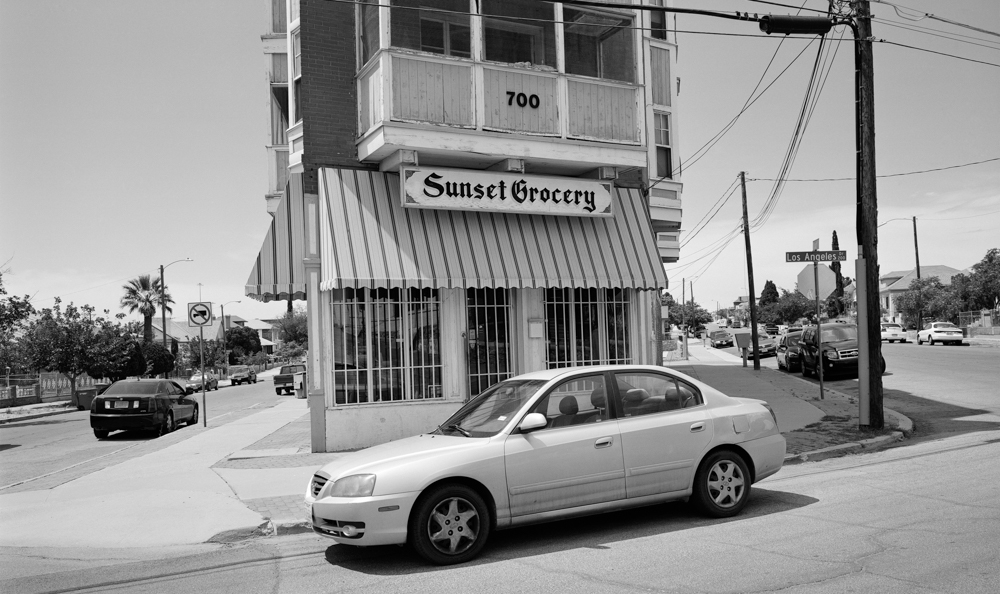
I wonder then why you left some images unmoored and some stories without a picture. Was it to make that fragile relationship clear, and to show that pictures are more vulnerable than we think? Or maybe something came up and you couldn’t visit the square where the painter set up his easel in 1965. And maybe your father didn’t want to revisit East San Antonio Avenue. I hope it’s both: a nod to something bigger, and the pragmatic reality of life.
Thanks again for the book, I enjoyed it a lot.
K
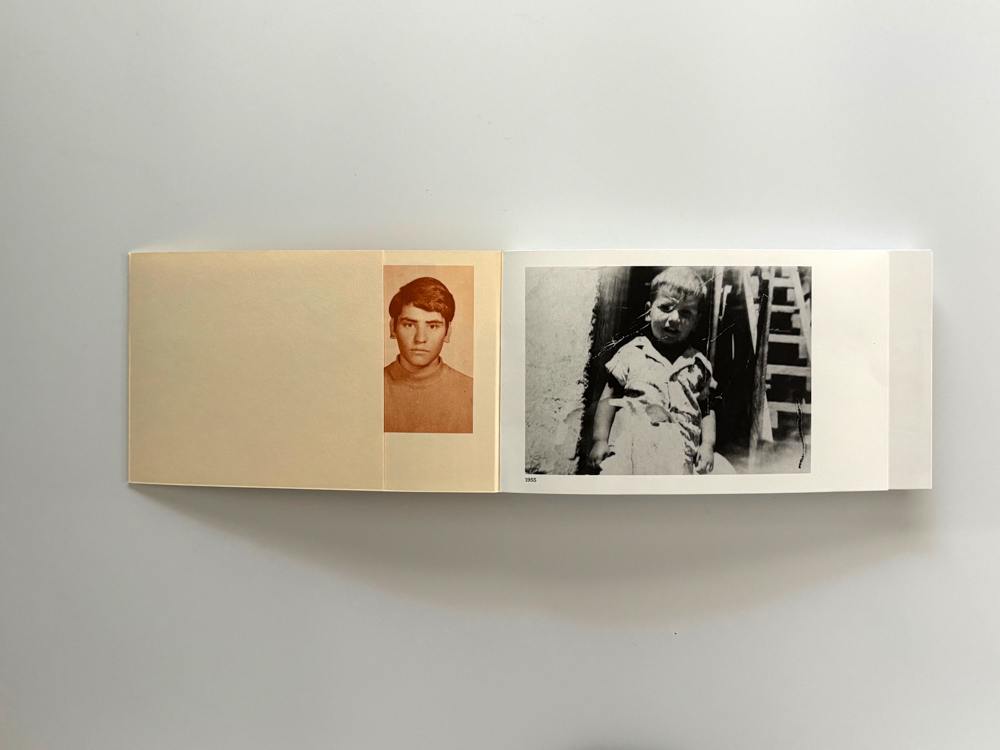
P.S. I like the title. It’s blunt – all description and little feeling. But it made reading about your father as a child, not recognising himself in a photograph next to his mother, all the more touching. Maybe that was the point.
Arturo Soto
The Eriskay Connection